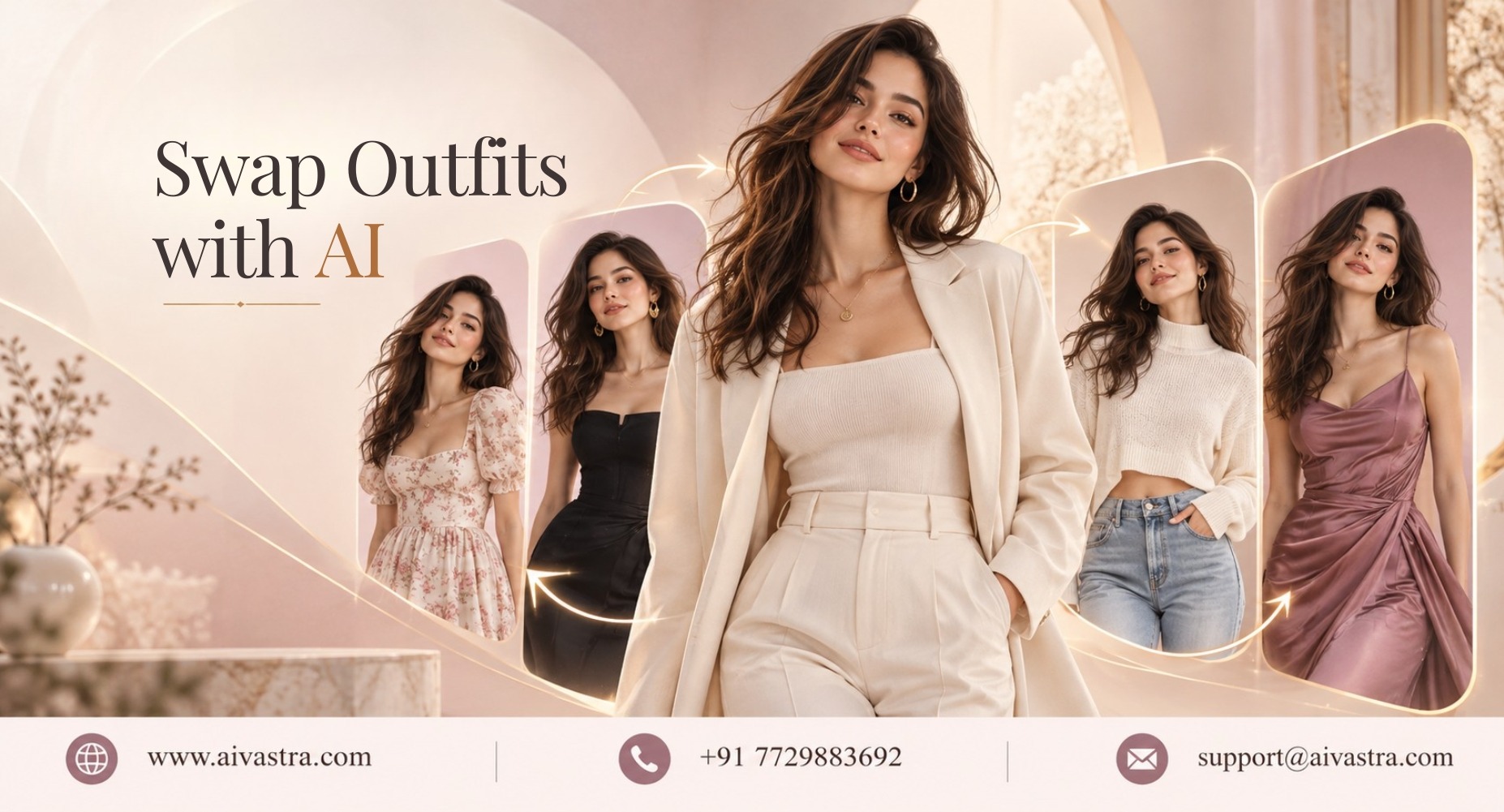

 0
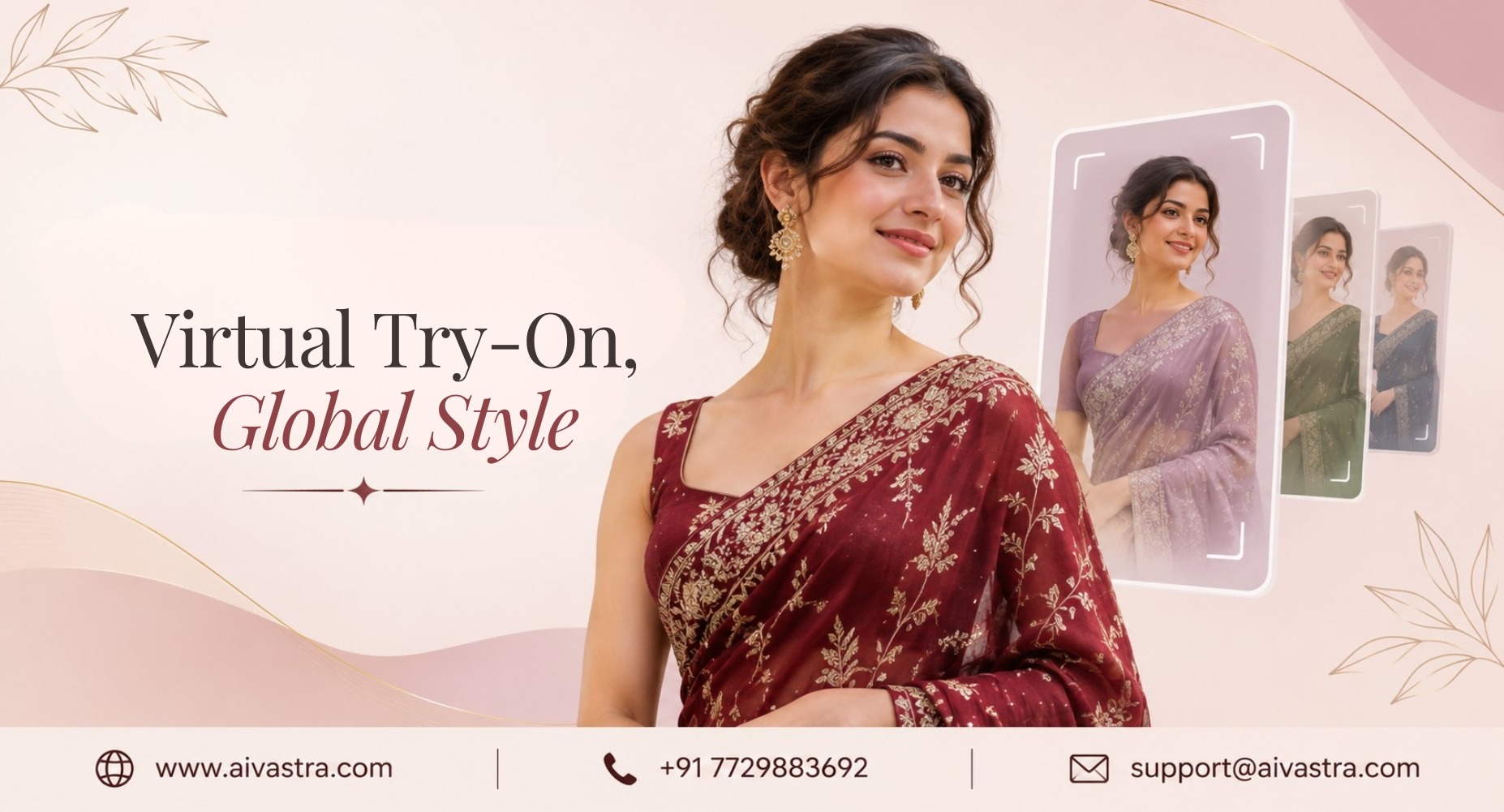
Virtual Try On Clothes Online: How Global Fashion Brands Drive Sales Without a Studio
Virtual try-on services for clothing online allow users to see a virtual representation of clothes on a human body, and fashion brands can create human images representing virtual models to showcase various products without having to shoot photos for each one. These features make online retail more visual and create a chance for brands to showcase their collections online.
Fashion firms from across the globe can use virtual try-on technology not only for discovering products but also to make the customer experience better and even for making a visual collection of pictures in large quantities.
3 Key Takeaways
- Going back to consumers: Virtual try-on allows seeing how the outfits will look virtually before purchasing them.
- Going to brands: Adding model pictures to visual collections using AI photo-to-image creation without a complete photoshoot.
- For better results: Engineering is not enough; clear product information, something usable yet simple to navigate, and the accurate photo are what you will need.
What is virtual try-on? How Does It Function for Online Shoppers?
Virtual fitting room technology allows consumers to view an article of clothing on themselves or on a digital model. To upload a photo or choose a product or use a camera to photograph.
Others incorporate augmented reality (AR), which superimposes virtual clothes on top of the actual image viewed via a camera lens. Or they use AI to create a new picture of the customer or a model in clothes.
What they are trying to do here is to try and make the customer envision the product before making a purchase. A view, however, cannot guarantee fabric movement, fit or sizing; however, this means that brands should still include sizing charts and clear product descriptions.
How Fashion Brands Create Catalogue Images Without a Studio
Brands have a different need from shoppers. Many of them will want to see appealing product photos relating to hundreds of products but don’t want to have to attempt an individual photoshoot session for each piece of clothing.
AI catalogue creation can turn a flat-lay or ghost mannequin photo into a model image. A typical process includes:
- Submit a photograph of the garment that’s clear and easy to see.
- Choose an appropriate AI model.
- Select a pose and scenery.
- Generate the image.
- Review garment details and download the approved visual.
This can aid brands in developing unified images for web pages, online marketplaces, or marketing materials.
Visit the AI Vastra Catalogue. Showcase and witness examples of fashion visuals generated by AI.
Try On Clothes Online: AR Try-On vs AI Catalogue Creation
These technologies can share or complement each other but are for addressing different problems.
|
Feature |
Consumer-facing AR try-on |
AI catalogue creation |
|
Main goal |
Let shoppers preview clothing. |
Create product images. |
|
Main input |
Camera view or shopper image |
Garment photo |
|
Main output |
Interactive or personalized preview |
Ready-to-use model image |
|
Best use |
Customer engagement |
Product pages and catalogues |
|
Main benefit |
Makes shopping more interactive |
Speeds up visual content production |
AR can be useful when a brand wants customers to interact with clothing through a phone camera. AI catalogue tools are useful when the priority is creating product visuals at scale.
Check out our article about AR try-on vs. AI virtual try-on for a more in-depth comparison.
Does Virtual Try-On minimize returns and increase sales?
While virtual try-on could have a beneficial impact on assisting customers to make informed decisions, there are difficulties associated with it in its capacity and the actual range of products a brand offers.
Several industry reports and vendors indicate return rates down 30-40% for virtual try-on. But this conclusion is not to be taken for granted. This is dependent on the retailer, product, customer behavior, and the way returned goods are measured.
Brands need to experiment with the format and monitor a variety of metrics from the product page to add-to-cart through purchase rates and reasons for return. This will give a more accurate understanding of the value of virtual try-on on business performance.
What Will Be the Market Signals in 2026?

Shopping platforms and fashion companies are still searching for more visual means of shopping. Myntra has rolled out virtual try-on feature along with Google’s virtual apparel try on feature for shopping.
The examples illustrate the efforts to assist consumers in visualizing the appearance of products in their shopping. They don’t imply every brand should have an intricate AR system. The first thing businesses must start with is the problem they are looking at solving, whether it may be product presentation, engagement of the shopper, or the creation of the catalogue.
Will a virtual try-on work for all clothing?
The outcome will vary based on the technology and garment. Worn simple or structured items may be easier to represent than clothes that are draped and/or have sheer fabrics or embroidery.
Brands should see how the output does on preserving the folds, patterns and design details of the fabrics for items of sarees, lehengas, kurtis.
Always compare the created image with the actual product. When using AI visuals, do not build customers’ expectations that go beyond what the specific image is going to deliver.
Build Better Fashion Visuals with AI Vastra
Such virtual try on ability for garments may be useful for fashion brands in enhancing the exhibiting of garments and crafting an extra immersive shopping experience. Consumer-facing try-on enables the discovery of new products, while AI catalogue generation enables brands to generate catalogue photos without the need of a traditional studio for each product.
AI Vastra provides fashion companies with AI technology for catalogue generation and virtual try-on capabilities.
Look for the Virtual Try-On service to learn more, view examples in the Catalogue Showcase, or compare available options on the Pricing page.