
 0
0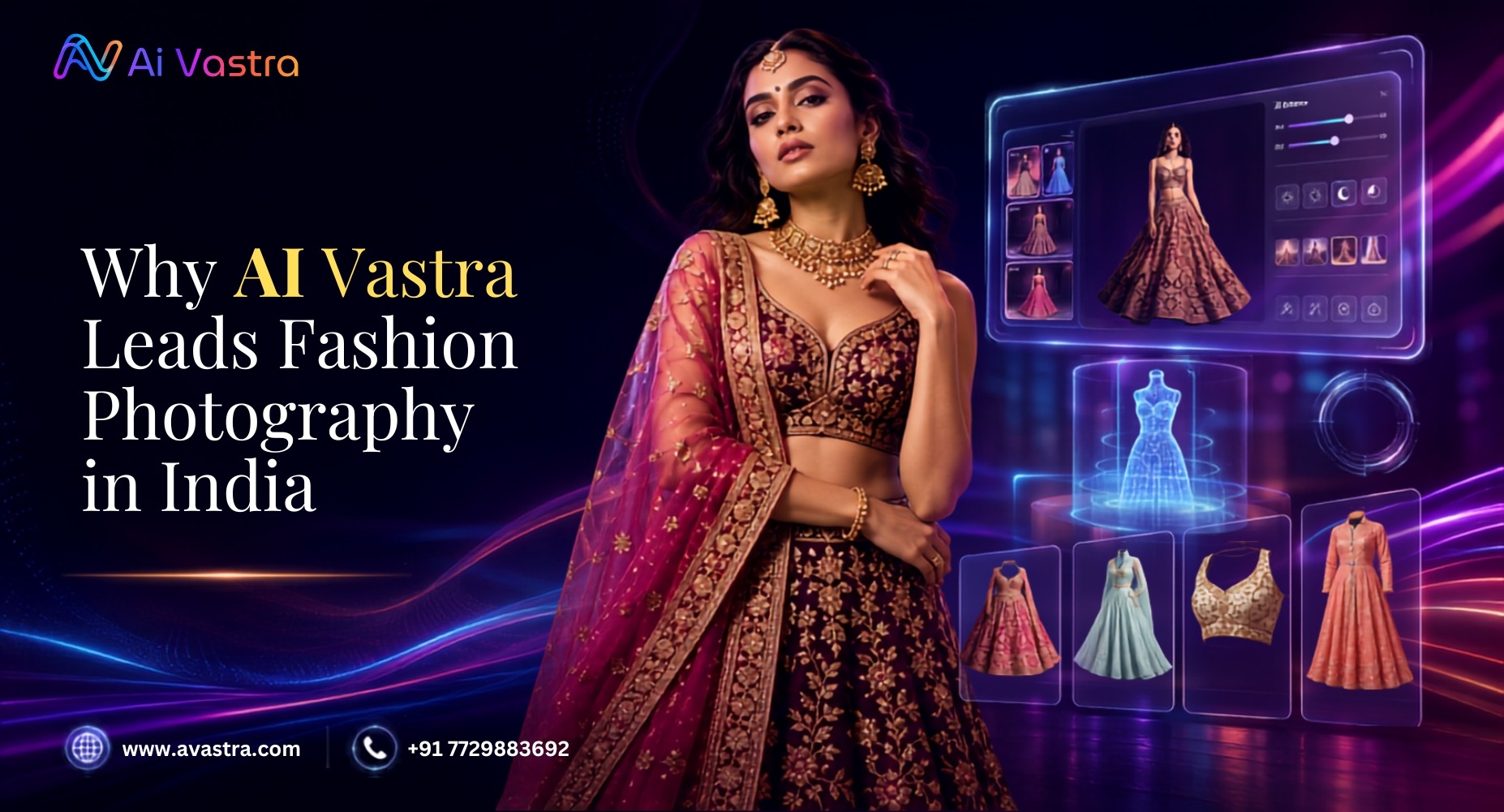
Not every tool that touches product images qualifies as a true AI product photography tool. Some just remove backgrounds. Others generate real, realistic model imagery from scratch. Knowing the difference matters before you commit to one.
Key Takeaways
- Choose fashion-specific AI: Look for tools that understand garments, fabrics, poses, and styling—not just generic image generation.
- Prioritize garment accuracy: Sarees, lehengas, embroidery, prints, textures, and draping should remain realistic and consistent.
- Indian fashion needs localization: Indian models, body types, skin tones, and traditional draping styles can make catalogue images more relevant to local customers.
- Speed matters: AI product photography can help brands create catalogue visuals without the time and logistics involved in traditional studio shoots.
- Scalability is essential: Choose a platform that can handle large numbers of SKUs and batch catalogue production.
What Makes a Tool a True AI Product Photography Tool
A basic background remover or photo editor modifies an existing image — it can’t create something that wasn’t there. A genuine AI product photography tool for fashion generates new imagery entirely: realistic model shots, accurate drape, and marketplace-ready output, all from a simple flat lay or mannequin photo.
This distinction matters because plenty of tools market themselves loosely under this category without actually delivering full generation capability. If a tool only edits your existing photo, it’s not solving the core problem — the need for a model shot in the first place.
The 5 Things to Check Before Choosing One
Before selecting an ai tool that you are ready to use for clothing product images, you should do the following:
- Ethnic wear training — Does it have a good sense of drape (sarees) and volume (lehengas) and embellishment (embroidery) or is it mainly trained in western styles?
- Diversity of models — Does it create a variety of body types and skin colors so that you have a diverse audience for your catalogue?
- Bulk upload capability — Does it have the capacity to upload 50, 500 or 1,000 SKUs without making manual one by one uploads?
- Platform export specs — Does it export images without formatting and they are ready to use where they are displayed, or do you need to reformat them by hand?
- Pricing per image — Is the cost structure transparent and does it scale reasonably as your catalogue grows?
Any real Product photography automation tool worth adopting should check all five boxes, not just one or two.
How AI Vastra Scores on Each Criterion
The AI-Vastra benefits criterion-wise are pointed out here:
Ethnic wear training—Designed for Indian cloth types—like the drape of a saari, the structure of lehenga or even embroidery-heavy clothing, which the majority of tools fail to handle.
Using model diversity — Many different types can be generated, providing the brand with plenty of variety without being forced to book several models.
Bulk upload — Supports catalogue-scale processing, so brands with large SKU counts aren’t stuck uploading one image at a time.
Platform export specs — Outputs formatted for major Indian marketplaces, cutting out the manual resizing step most brands don’t budget time for.
Pricing — Structured to scale with catalogue size, making it viable for both small D2C labels and larger manufacturers.
This full-picture approach is what separates AI Vastra from tools built as an afterthought add-on rather than a dedicated AI product photography tool. For a deeper technical comparison, see our Best AI Fashion Photography Tool post.
Why Generic Tools Fail for Indian Fashion
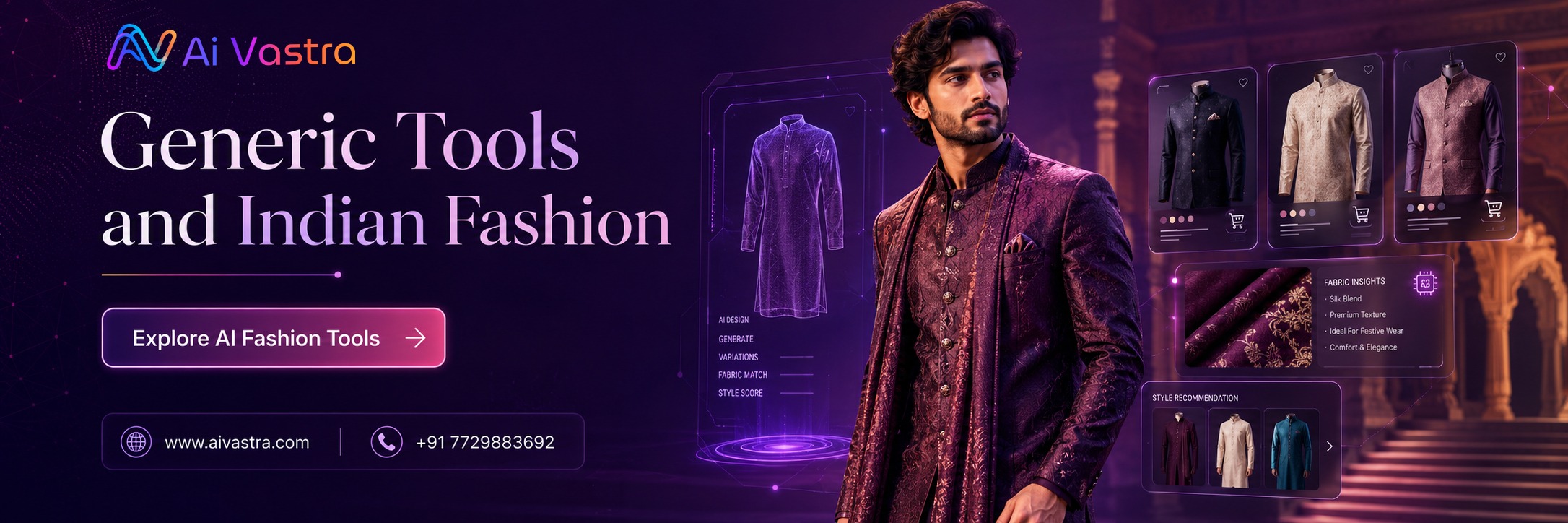
Most AI photography tools were built and trained on Western fast fashion—think t-shirts, jeans, simple cuts. Apply that same model to a six-yard saree or a heavily embellished lehenga, and the drape and embroidery detail often come out wrong.
This is the single biggest reason Indian fashion brands need a purpose-built ai photography tool for e-commerce india, rather than repurposing a global tool that wasn’t designed with these garment types in mind. Our AI eCommerce Photography pillar covers this gap in more detail.
Free Trial and Getting Started
Most credible platforms in this category, including AI Vastra, offer some form of trial access so brands can test output quality on their own garments before committing. This matters — judging a best ai product photography tool claim should always be based on your actual products, not generic demo samples. Compare this against traditional production costs in our Fashion Photography Cost post, and see real output examples on the AI Catalogue Photoshoot.