
 0
Virtual Try-On Own Website vs Myntra India: Which Makes You More Money?
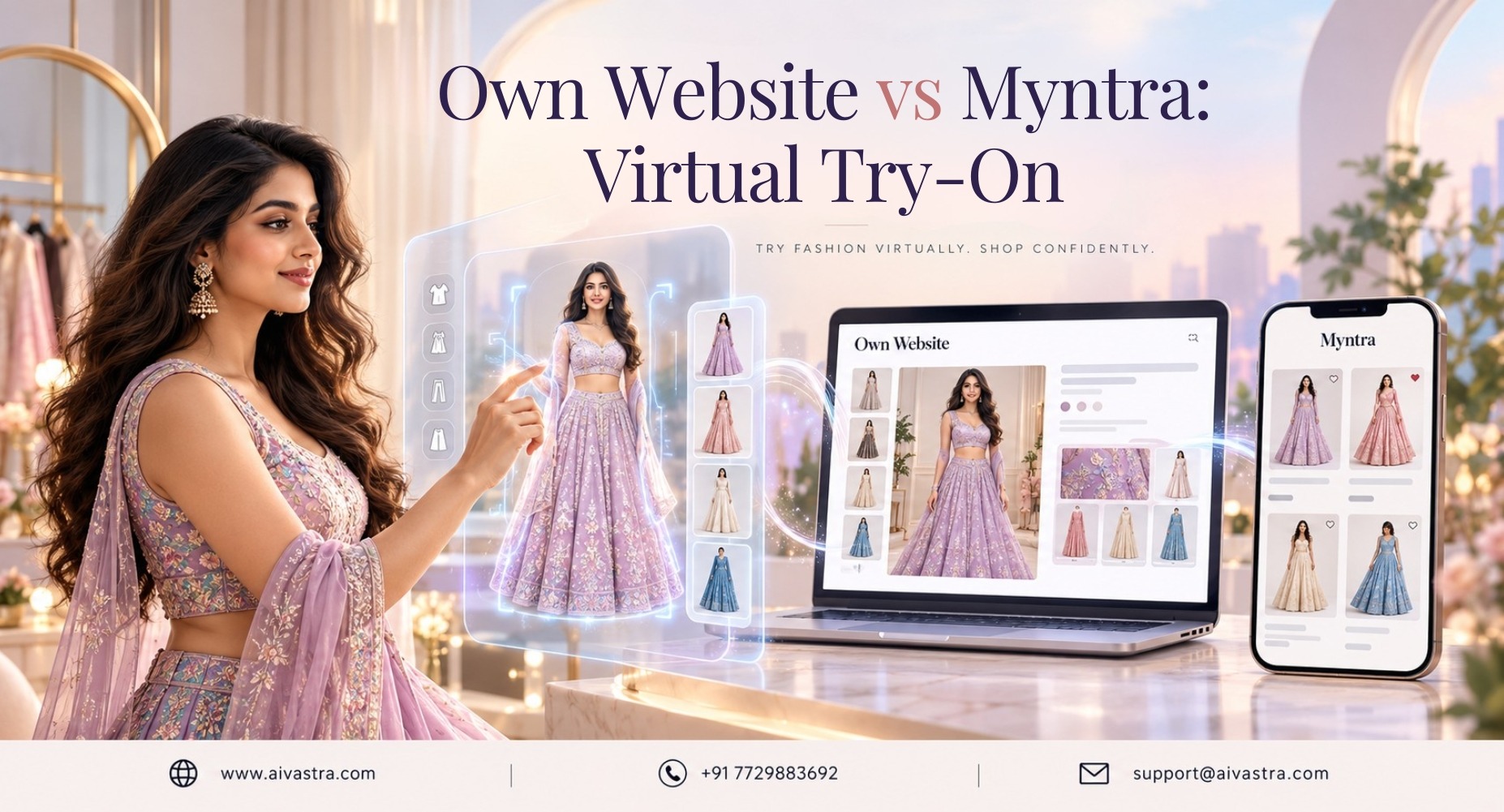
If you sell on Myntra and run your own store, you face a real strategic question: do you rely on marketplace try-on, or build your own? Here’s an honest look at virtual try-on own website vs Myntra India, focused on what it does to your margin and your customer relationships.
Key Takeaways
- Marketplace try-on doesn’t cost you a cent; it’s managed by the marketplace and your prospective clients who see it are on the marketplace, not you.
- Your own website try-on gives you the customer relationship, the data, and the full sale price, though you also carry traffic and ad costs
- The best strategy for most brands is to use both, while building your own website try-on as the long-term brand asset
What Myntra’s Virtual Try-On Offers
Myntra is introducing try-on and visual shopping for its customers. The strategic impact depends on the real customers who see the try-on: people already shopping on MYNTRA through the app. You get the visitors, but you don’t have those consumers. You can’t email them; you can’t remarket to them; you know not much more about them than what you can find on the platform.
What D2C Virtual Try-On Offers
A try-on tool on your own site works differently. Every shopper who uses it is already on your store. That’s the core of D2C virtual try-on vs Myntra try-on: the same feature, but you control the experience, the branding, and what happens next. With AI Vastra’s virtual try-on, the try-on sits on your product pages and is built for Indian garments like sarees and lehengas.
Why Relying Only on Marketplace Try-On Is Risky
Anyone asking Should I have my own virtual try-on or use Myntra should consider three risks of depending on the marketplace alone:
- The platform controls visibility. Algorithm changes can lift or bury your listings without warning.
- Fees can change. Commissions, listing fees, and ad costs are set by the marketplace.
- You don’t own the relationship. If the platform changes terms, you have no customer list to fall back on.
How D2C Try-On Can Help Collect Customer Data
When someone tries on your site, you can ask for an email or phone number to save or share their result. That’s a good trade. They get something useful, and you have permission to follow up. Fashion tech brands like DressX have stated that they would collect this type of data from try-on users who share it voluntarily. [Team: add a sourced reference if you want to cite DressX directly.]
The Revenue Comparison
To be fair, your own site isn’t free money. You still get charged on transactions, payment gateway charges, and shipping. However, if a buyer is redirected straight through email or WhatsApp, it is virtually free to acquire those sales, as the margin gap is genuine.
|
Channel |
What you keep from a Rs.5,000 sale |
|
Myntra (20-35% commission) |
Rs.3,250 – Rs.4,000 |
|
Your own website |
Rs.5,000 before ad and payment costs |
To be fair, your own site isn’t free money. You still pay for traffic, payment gateway fees, and shipping. But when a shopper returns directly through email or WhatsApp, that sale costs you almost nothing to acquire, and the margin gap is real.
Why Try-On Helps D2C Specifically
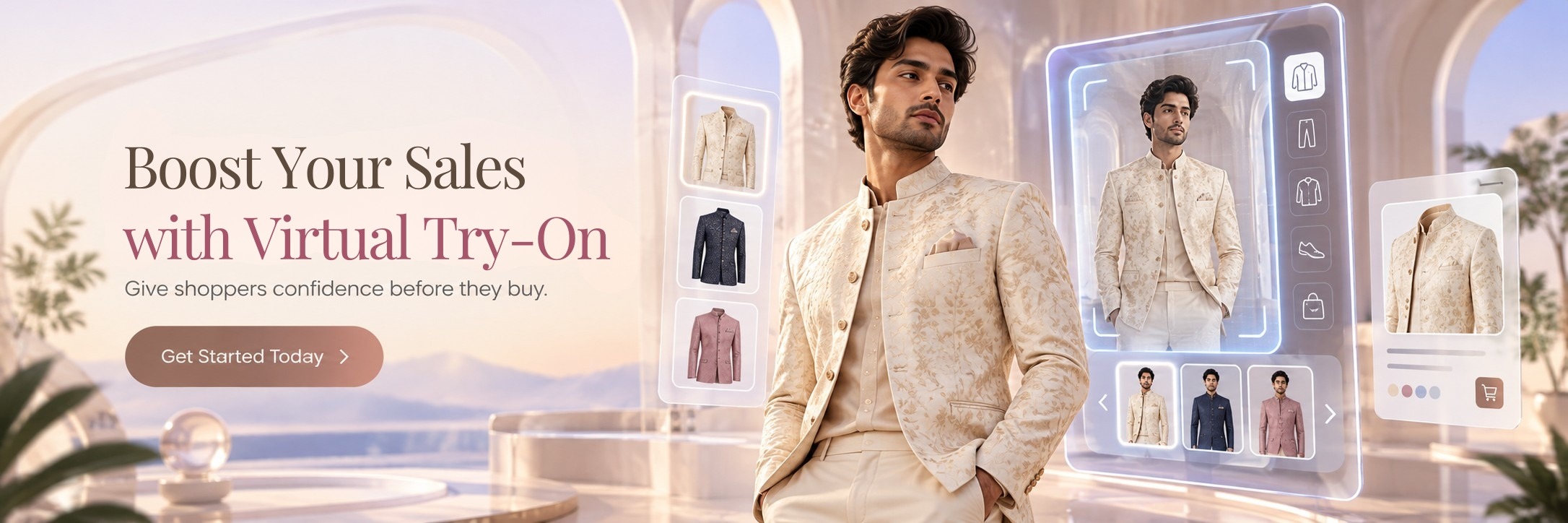
Try-on is most beneficial when consumers don’t know. It can minimize hesitations on fit-sensitive products and prevent returns on the own site, safeguarding margin. Check our AR Try-On vs AI Try-On for information about which one is best for drapable garments such as sarees.
Highlight the need to embrace the culture of both, and to keep D2C as your number one asset.
There is no need to be exclusive in choosing. Continue on Myntra sales and the acquisition of new customers for the brand. Continue on Myntra sales and the discovery of new customers for the brand. However, do treat your own website try-on as your primary brand asset since you are the brand owner of the customer, the data, and the complete price. A practical approach:
- Maintain great marketplace listings for discovery.
- Place try on on your own hot-selling product pages.
- Add marketplace buyers to your list/WhatsApp channel via packaging and/or post-purchase for adherence to platform guidelines.
- Use your try-on data to decide what to stock and promote.
For setup details, see our Virtual Try-On service page, and read our Myntra VTO post for a closer look at the marketplace side.