
 0
0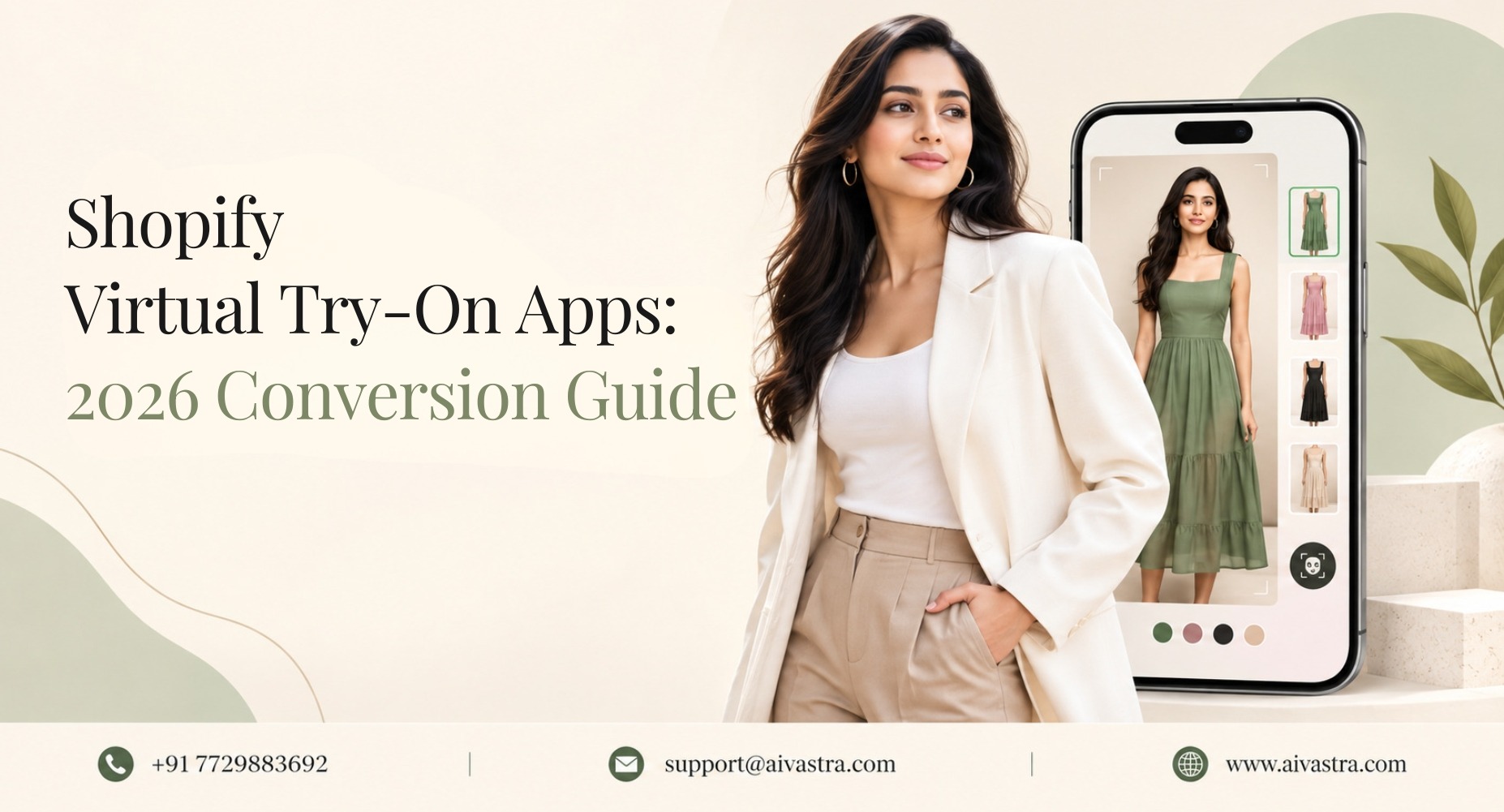
Virtual Try-On Shopify Apps: What They Actually Do to Your Conversion Rate (2026)
If you’ve seen ads promising virtual try-on will “boost sales,” you’re right to be skeptical. Here’s an honest look at what virtual try-on Shopify apps actually do to conversion rate, without the inflated claims.
Key Takeaways
- Virtual try-on works by showing a garment on a model or the shopper’s own image, addressing fit uncertainty rather than simply adding a novelty feature
- The realistic conversion impact comes primarily through reduced returns and increased add-to-cart rate, not vague “engagement” metrics
- Fit-sensitive categories like ethnic wear and apparel with historically high return rates see the most benefit; basics and accessories see little
What Virtual Try-On Shopify Apps Actually Do
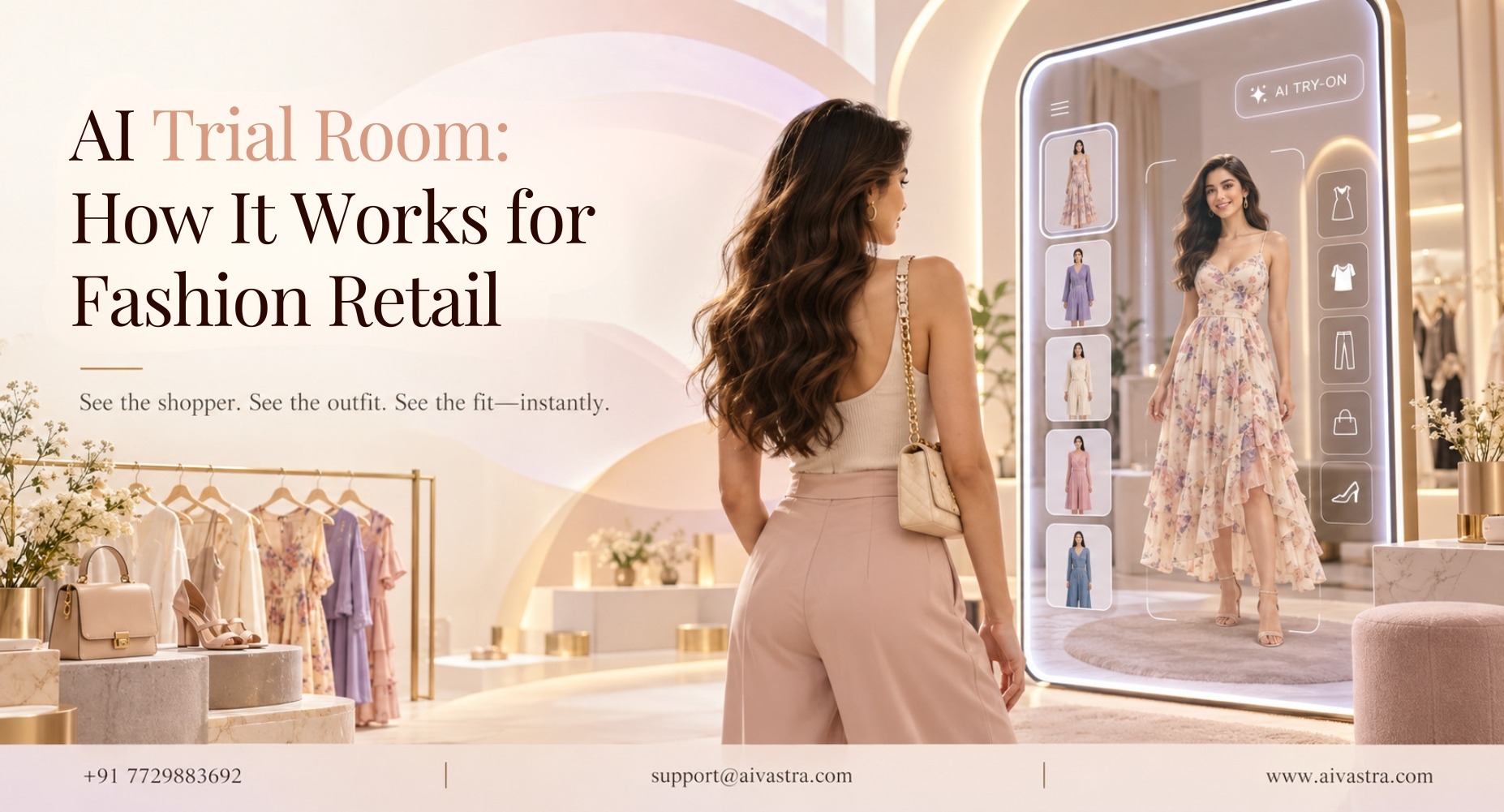
A virtual try-on app for Shopify takes a product image and shows it either on a generated model or, in some cases, mapped onto a photo the shopper uploads of themselves. This is different from an AR filter, which uses live camera tracking to overlay a garment in real time, and different from a size chart, which gives numbers but no visual sense of fit.
The core function is simple: give shoppers a clearer visual answer to “how will this actually look on me” before they buy, rather than after the box arrives.
Why Conversion Rate Is the Metric That Actually Matters
Plenty of try-on apps market themselves on “engagement” or “time on page.” These sound good but don’t pay the bills. What actually matters is whether the widget changes purchase behavior — specifically, cart abandonment and return rate, since both directly affect revenue kept, not just revenue generated.
A shopper who spends more time on a page because of a try-on widget but still doesn’t buy, or buys and returns the item, hasn’t moved the number that matters.
The Specific Conversion Levers a Try-On App Affects
Reduced size uncertainty — shoppers get a clearer sense of fit before purchasing, which reduces hesitation at checkout.
Reduced return rate — since a portion of apparel returns stem from fit mismatch rather than product defects, giving buyers a more accurate preview can meaningfully cut this category of return.
Increased add-to-cart rate — removing a source of buying hesitation tends to move more browsers into the cart stage, though this varies by category and execution quality.
Increased session duration — this is a secondary effect, useful mainly as a signal that shoppers are engaging with the tool, not a conversion driver on its own.
Realistic Conversion Lift: What to Actually Expect
Be wary of any vendor citing a single flat “boost sales by X%” number without context — legitimate impact varies enormously by category, execution quality, and existing return rate. Publicly available case data on AI virtual try-on Shopify conversion lift is still relatively thin and inconsistent across sources, so treat any specific percentage claim with caution rather than as an industry standard. What’s more defensible is the directional logic: categories with high existing return rates due to fit issues have the most room to improve, while categories with already-low return rates have little room to move at all.

Which Stores Benefit Most
Apparel with high return rates — especially fit-sensitive categories like fitted dresses, structured jackets, and anything where drape matters.
Ethnic wear — sarees, lehengas, and similar garments where fit and drape are hard to judge from a flat product photo.
Basics and accessories — see minimal benefit, since fit uncertainty rarely drives hesitation for a plain t-shirt or a bag.
Why Try-On Apps Fail to Lift Conversion
This is where most vendor pitches go quiet. Common failure points include:
- Poor source photo quality — a low-quality product image produces a low-quality, unconvincing try-on render
- Slow load time — a widget that lags kills the exact moment of purchase interest it’s meant to support
- Poor mobile UX — most Shopify traffic is mobile, and a clunky mobile experience undermines the whole feature
- No clear CTA near the widget — if a shopper tries the feature but the “Add to Cart” button isn’t obvious right there, the interaction doesn’t convert
How to Evaluate a Best Virtual Try-On App for Your Store
Before installing any best virtual try-on apps 2026 shortlist item or a Shopify AR try-on app, test it with your own actual product photos, not vendor demo images. Check load speed on mobile specifically. Confirm the CTA sits directly next to the widget, not buried elsewhere on the page. And prioritize apps trained specifically on your garment category — a generic virtual fitting room Shopify tool built for Western basics may render Indian ethnic wear drape poorly, undermining the exact accuracy the feature is supposed to provide.
For brands specifically working with Indian ethnic wear, this category-specific accuracy is where a purpose-built solution matters most — explore AI Vastra’s virtual try-on capabilities to see how this works for saree and lehenga drape specifically.