
 0
0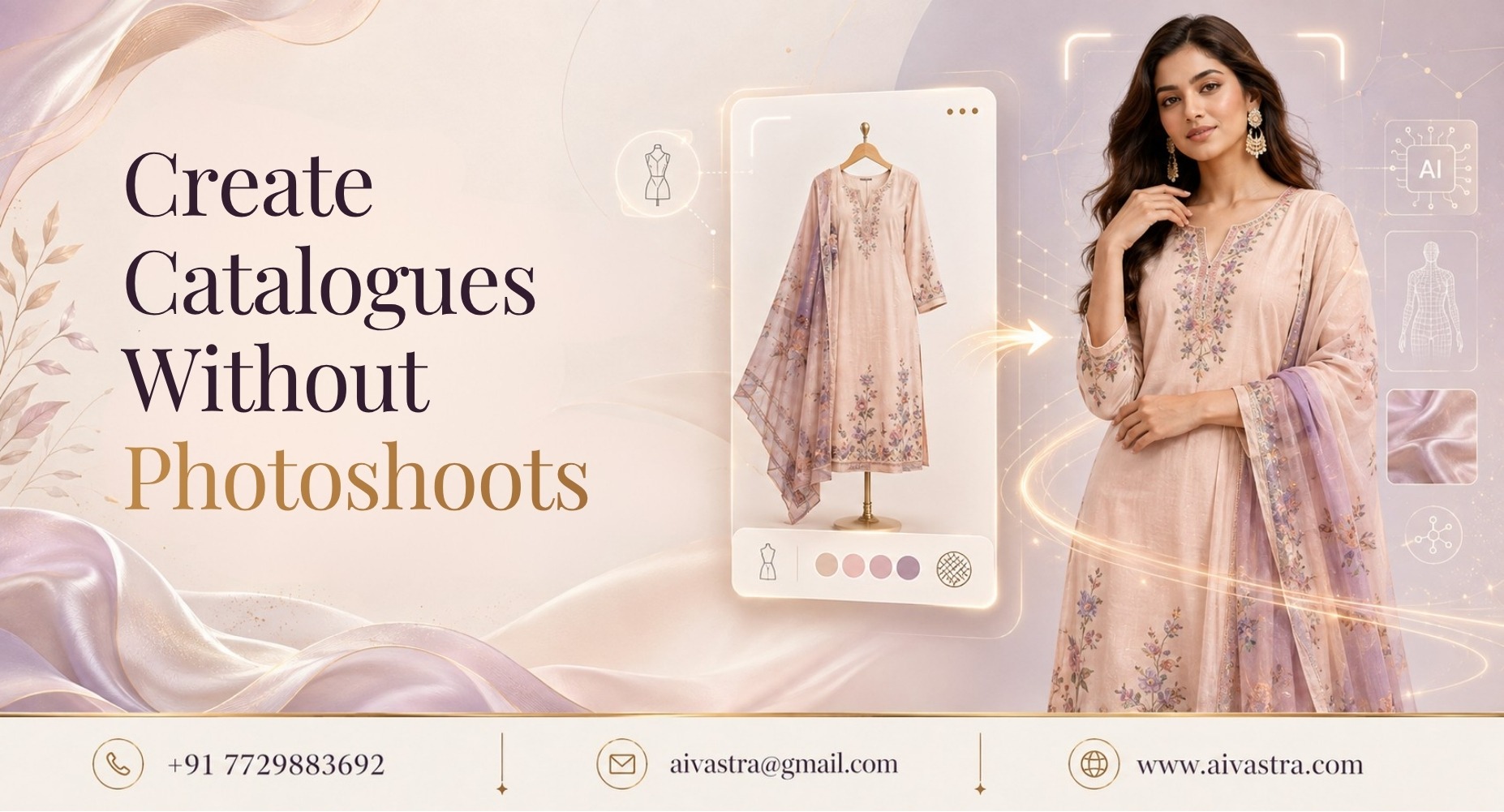
Key Takeaways
- AI is changing fashion catalogue creation by turning simple garment photos into professional, model-ready catalogue images without traditional photoshoots.
- Indian clothing brands can create complete seasonal catalogues faster, reducing dependence on photographers, studios, models, and lengthy production schedules.
- Indian ethnic wear needs specialized AI capabilities, especially for saree draping, lehenga volume, dupatta flow, embroidery, and fabric texture.
- One garment photo can generate multiple looks, including different models, poses, backgrounds, and catalogue views, helping brands create more content from the same product.
Catalogue software used to mean InDesign layouts and manual image placement. AI fashion catalogue software means something completely different today — and Indian brands are using it to build entire season catalogues without ever booking a shoot.
What Catalogue Software Used to Be
Traditionally, catalogue software referred to layout tools — InDesign, Photoshop templates, manual image placement into PDF formats for trade shows and B2B buyers. The photography itself still had to happen separately, through a traditional shoot.
AI fashion catalogue software india brands use today collapses this entire process. The software doesn’t just lay out images — it generates them, straight from your existing product photos.
The Full Workflow: Season Planning to Final Export
Here’s what the process actually looks like for a brand building a new season catalogue:
- Plan the season SKU list — decide which styles, colours, and variants need catalogue coverage
- Upload product photos — flat lay, hanger, or mannequin shots for each SKU
- Generate model images — the software creates realistic on-body imagery for each product
- Review and adjust — check styling, background, and fit accuracy across the batch
- Export in required formats — website-ready, marketplace-ready, or trade show PDF, depending on where the catalogue is going
This is the operational backbone behind any Fashion catalogue software for clothing brands rely on to move fast during tight production windows.
How Different Business Types Use It Differently
Not every brand uses catalogue software the same way:
Manufacturers typically need bulk-scale generation for trade catalogues shown to retail buyers, prioritising speed and volume over individual styling variation.
D2C brands need website and marketplace-ready imagery, often with more styling attention per SKU since these images directly face the end consumer.
Marketplace sellers need strict compliance with platform-specific image formats — Myntra, Amazon, and Flipkart each have their own requirements.
Exporters need catalogues that work across multiple buyer markets, often requiring consistent formatting across large SKU batches. Our AI Catalogue for Textile Exporters post covers this use case in more depth.
Features That Matter Specifically for Indian Fashion
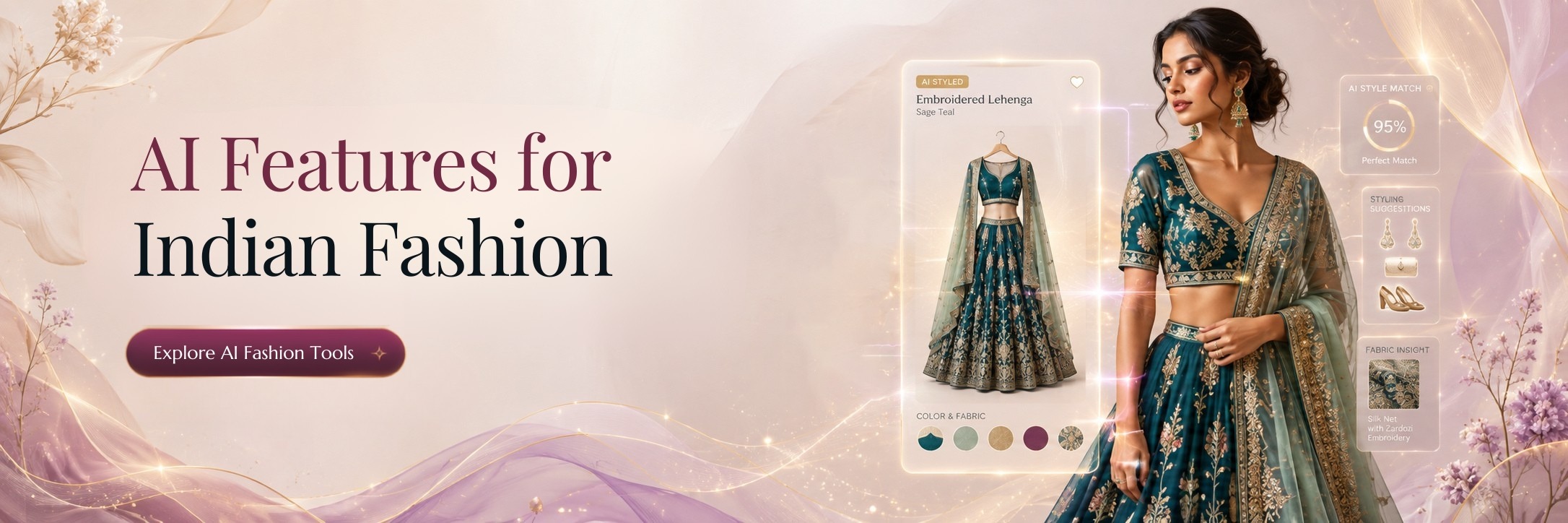
A generic ai software to create fashion catalogue platform built for Western markets misses details that matter here. Look for:
Ethnic wear AI training — accurate rendering of saree drape, lehenga volume, and embroidery detail.
WhatsApp-ready image exports — many Indian brands, especially manufacturers and regional sellers, still sell heavily through WhatsApp catalogues, so export formats need to support this directly.
Regional considerations — brands operating across different states benefit from software that understands regional garment variations, not a one-size-fits-all Western template.
This is precisely the gap a strong catalogue software for saree brands needs to fill, since generic tools consistently underperform on Indian ethnic wear.
Real Workflow Example: A Surat Saree Brand
Consider a saree manufacturer in Surat preparing a 300-SKU season catalogue. Traditionally, this would mean weeks of studio booking, model coordination, and per-SKU shoot costs that scale badly at this volume.
Using AI Vastra, the same brand uploads flat images of all 300 sarees, generates realistic model imagery showing accurate drape and pallu detail, and exports the full batch in marketplace and WhatsApp-ready formats — all within days rather than weeks. This mirrors the exact process covered in our Automate Fashion Catalogue post, scaled up to full-season volume.
For brands managing even larger SKU counts, our Bulk Catalogue Creation pillar and AI Catalogue Creation Software buyer’s guide go deeper into scaling this workflow further.