
 0
AI Virtual Try-On vs AR Try-On: What’s the Technical Difference?
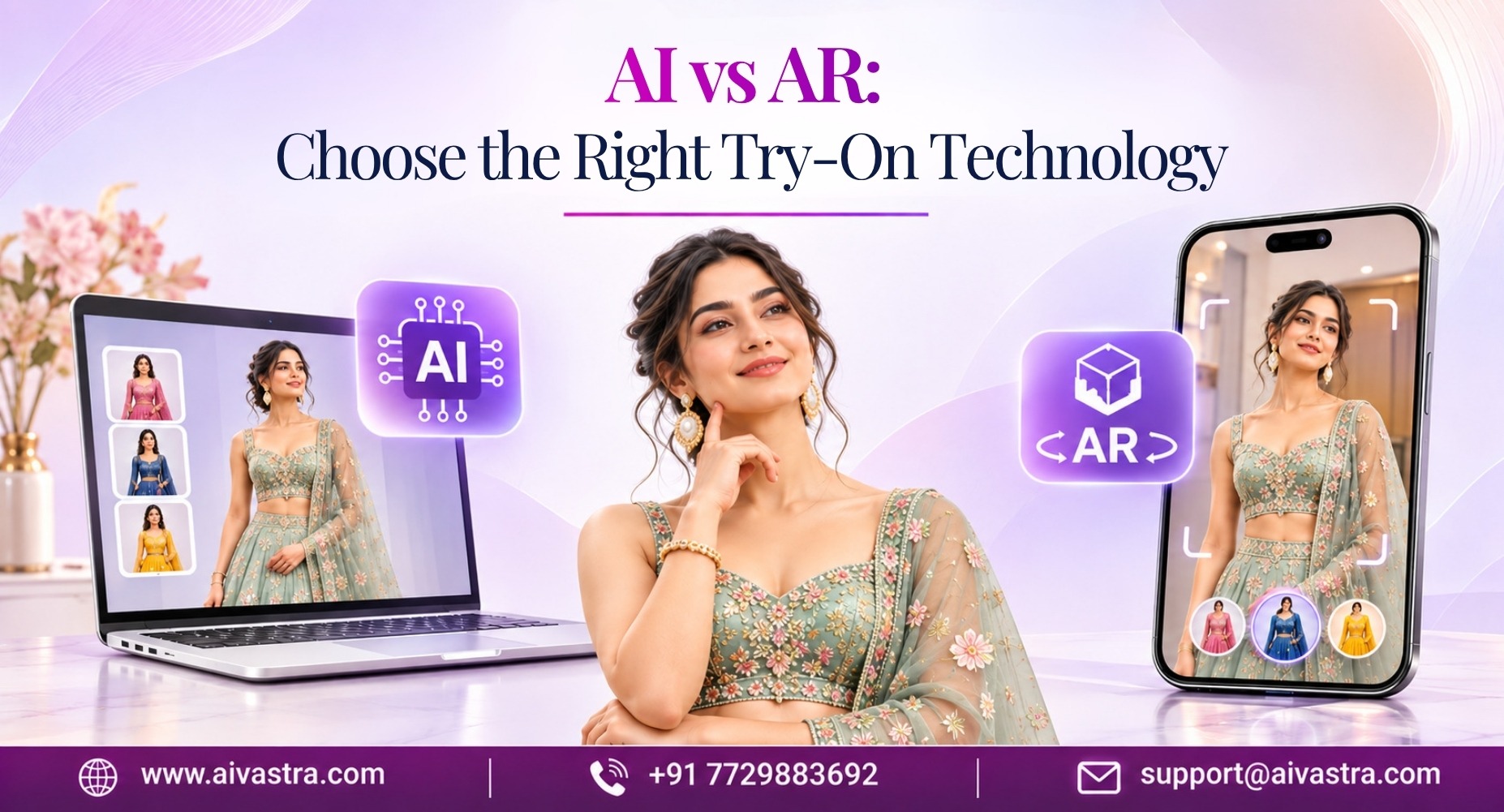
AI vs AR Virtual Try-On Fashion seekers are seeking out previews of their clothes before they purchase online. This experience can be provided to brands with the aid of two technologies: AI virtual try-on and augmented reality (AR) try-on.
The difference really lies in their portrayal of clothing. Try-on is performed using AR techniques to overlay digital clothes on top of a live video stream and using AI techniques to create an image of a person wearing a selected outfit. AI catalogue tools can also generate pre-made model images for products and add them to product pages without shoppers having to use a camera.
3 Key Takeaways
- AR try-on is an interactive shopping experience through a camera.
- AI catalogue images provide ready-to-use, playable images for marketplaces, websites, and search.
- This depends on what aspects of the situation you want to invest in: customer engagement or the product presentation.
How would you define AR Virtual Try-On?
Augmented reality virtual try-on is a technique that superimposes virtual objects around a live video feed from a phone camera or web camera of a person. Similar technology is employed in many social media filters.
A consumer, let’s say, could download a shopping establishment’s software and place a digital garment on their cellphone utilizing the camera. Software is used in different systems, depending on the system, to track the body and adjust the visual based on the movement done by the individual.
Body tracking, garment models, camera access, and software that continues to sync the digital clothing with the user are required for AR.
Ideal for: Brands that are interested in doing interactive shopping, having live views, and having more lively mobile experiences.
Though, unlike simple accessories, clothing is not so easy to display realistically. Any folds or loose-fitting garments and changes in body position can complicate accurate results.
What’s AI Virtual Try-On and AI Catalogue Try-On?
AI virtual try-on is a technology based on AI that demonstrates the appearance of items of clothing on a body. Consumers can provide a photo or take one with the tool and see how it looks before buying.
AI catalogue generation is for a different purpose. It generates model images of products that brands can then showcase on their product pages, online marketplaces, and marketing channels.
In particular, a fashion dealer can add a graphic fashion image to the system and create a model photo without having to arrange a photoshoot.
The finished image can then become part of the product listing.
Explore AI Vastra’s Virtual Try-On service to learn about its customer-facing try-on options, or browse the Catalogue Showcase for examples of AI-generated fashion images.
AI vs AR Virtual Try-On: What’s the Difference?
|
Feature |
AR try-on |
AI-powered try-on or catalogue |
|
Main input |
Live camera feed |
Customer photo, garment image, or both |
|
Main output |
Interactive camera view |
Generated try-on image or catalogue visual |
|
User experience |
Real-time visual interaction |
Image generation, sometimes with interactive options |
|
Main purpose |
Engagement and product preview |
Personalised previews or product presentation |
|
Technical needs |
Camera tracking and digital overlays |
AI image processing and garment rendering |
|
Product page use |
Interactive feature |
Ready-made images or try-on results |
|
Best fit |
Brands investing in interactive experiences |
Brands creating product visuals at scale |
This is actually dependent on the platform; the actual properties are going to vary. The technologies can intersect with some AI tools offering live camera experiences.
What’s the difference between AR and AI try-on? Ar vs. AI try-on, which is more expensive?
The costs depend on the vendor, product selection, resolution, and integration requirements.
Software licensing, digital garment creation, camera tracking, development, testing, and maintenance may be needed for AR systems. These needs can add up the initial investment, making it much more costly overall, particularly in the event the number of garments is much bigger than anticipated.
AI catalogue tools can be more straightforward since brands might simply have access to appropriate product images, along with an AI image generation platform. Costs are determined by the photo(s) or a package.
This is how AI Vastra’s pricing page shows catalogue packages at a minimum of ₹1,000 and increasing with the volume of images. Plan according to prices on this page—prices are subject to change.
If it’s a global brand, consider its cost in your local currency and factor in integration, employee time, and support. Don’t consider the image generation charges in relation to a complete AR setup and leave these fees out.
AR Try-On Fashion vs AI Catalogue: Which Is Better for Conversions and SEO?
One might think that AI Catalogue beats AR Try-On Fashion when it comes to conversions and SEO.
There’s no single “winner.” Every technology can help with a different part of the shopping experience.
The success of AR try-on supports engagement. The shopper can enjoy an ‘interactive’ experience, and it might make them spend more time with a product. It depends on its ease of use, accuracy of garments, etc., and whether the customer wishes to switch on their camera or not.
AI catalogue images facilitate the discovery and evaluation of products. Usability of the product page is enhanced by the third advantage of clear model photos: they allow customers to familiarize themselves with the look before reaching for the product. Uniform pictures may also help a catalogue to be navigated more easily.
In any case, for SEO, useful product pages require more than images. Descriptive product titles, unique product text, accurate product size information, image ALT attributes, and structured product information should be added to the product where applicable. Their worth lies in expressing the product presentation in a clearer manner and in creating useful content scalable for brands.
Otherwise, take a read of my own post on AI Vastra’s guide to virtual try-on vs AI catalogue photo shoot.
What Technology are Fashion Brands Realizing in 2026?
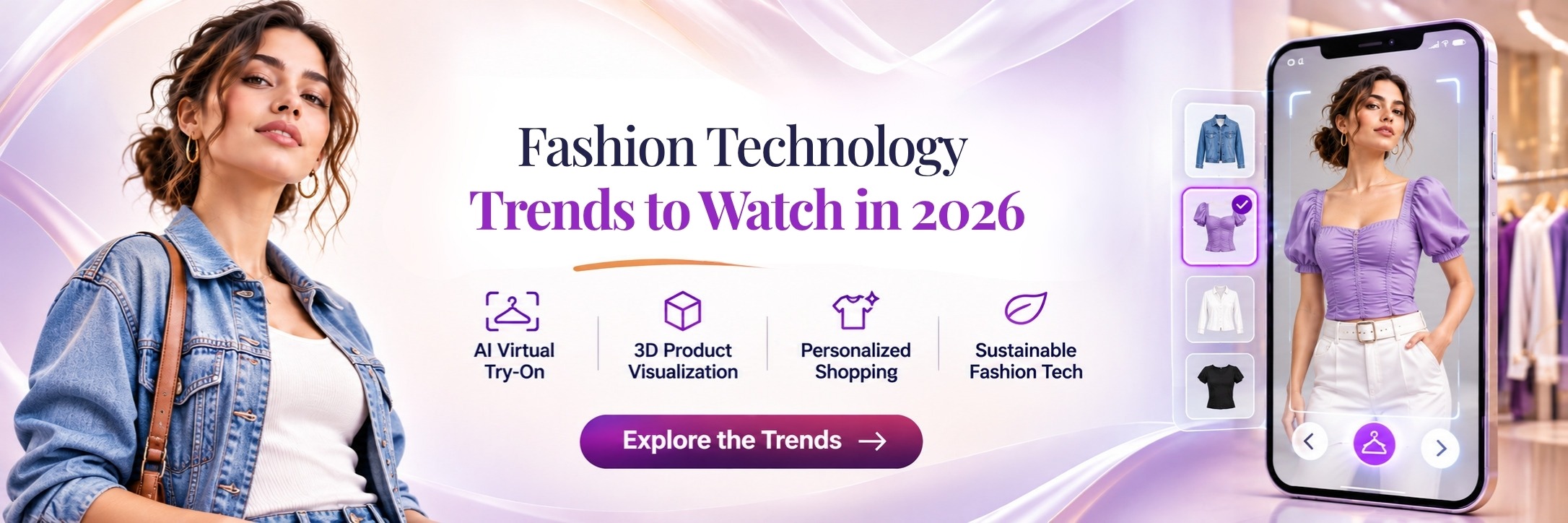
Select AR for a key objective of having a more active experience through the camera that makes customers engage with products in-store. It can be right for a budget-conscious brand with the tech backing to support the interactive element.
Use AI catalogue generation when presenting an eye-catching set of product images in a large collection. It can support webmasters to create graphics more quickly, preserve a uniform look, and replace product pages simply.
A global clothing manufacturer introducing hundreds of new items, for instance, could use AI catalogue images to boost their image quality. AR enhances the shopping experience for consumers in a retail app, which is great for retailers looking to create a high-end interactive shopping app.
Pay special attention to the folds in the fabric, how pants are draped, and details on the clothing when brands are selling Indian fashion, such as sarees, lehengas, and kurtis.
Many businesses could deploy either technology at various phases of their business instead of considering any of them as competitors.
Use AI catalogue generation when presenting an eye-catching set of product images in a large collection.
Choose the Right Fashion Visuals with AI Vastra
The choice between ai virtual try on vs ar try on comes down to your business goal. AR helps create interactive camera experiences, while AI catalogue generation helps brands prepare product visuals for online shopping.
The AI Vastra platform offers its services to the fashion industry through its AI-based catalog and virtual try-ons. Please check out our Catalog Showcase for some samples, or visit the Pricing page for packages offered.